Our Service
Bedrooms
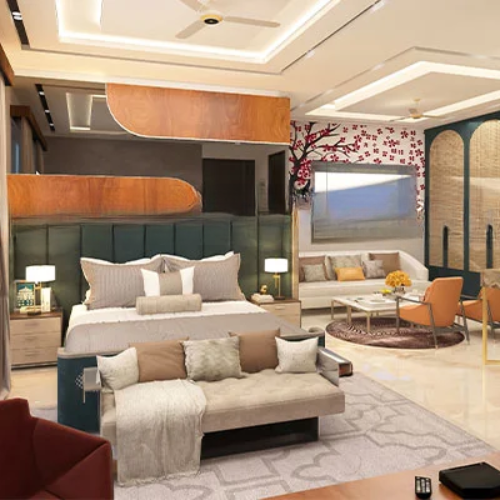
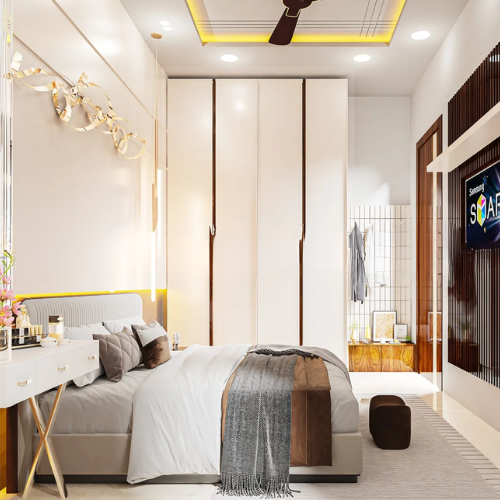
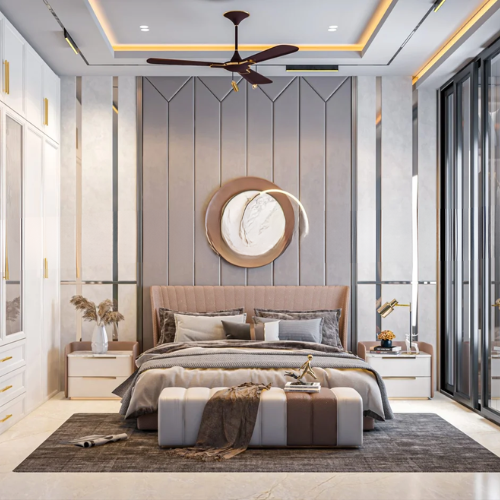
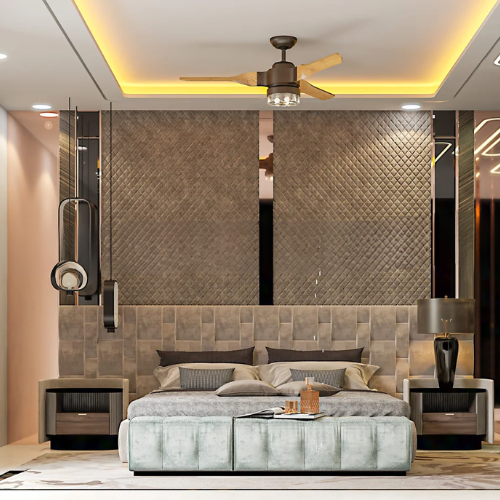
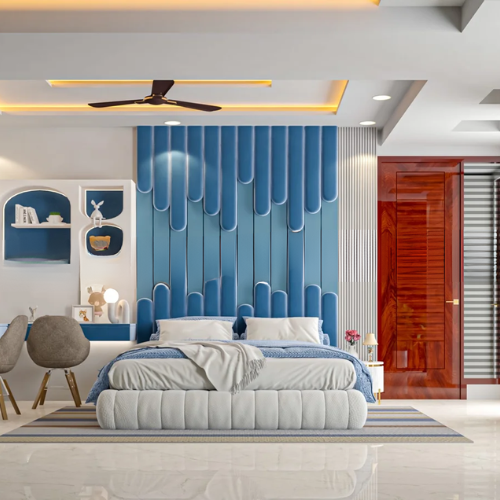
A well-planned spatial layout is the foundation of an effective 3D bedroom interior design. Thoughtful placement of furniture and décor enhances space utilization while creating a balanced and visually pleasing atmosphere. In a 3D-designed bedroom:
- Bed Placement: The bed should serve as the central focal point, ideally positioned against a highlighted or feature wall. Adequate clearance around the bed ensures comfort and ease of movement.
- Smart Storage Solutions: Utilize built-in wardrobes, under-bed storage, and floating shelves to optimize space and maintain a clean, organized look.
- Smooth Circulation: Design clear and logical movement paths between essential zones such as the bed, wardrobe, and entryway to ensure functionality and convenience.
Front Elevations
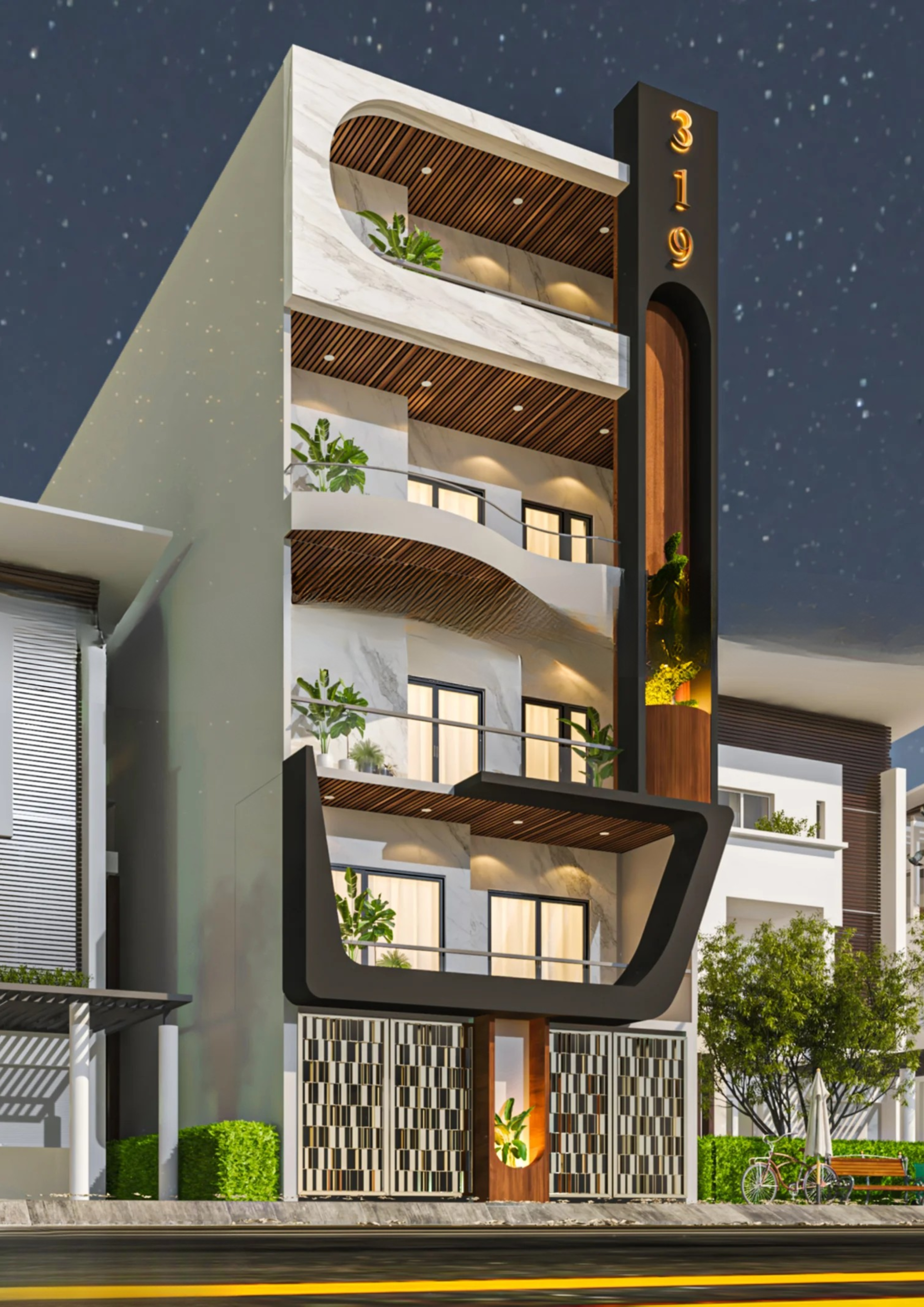
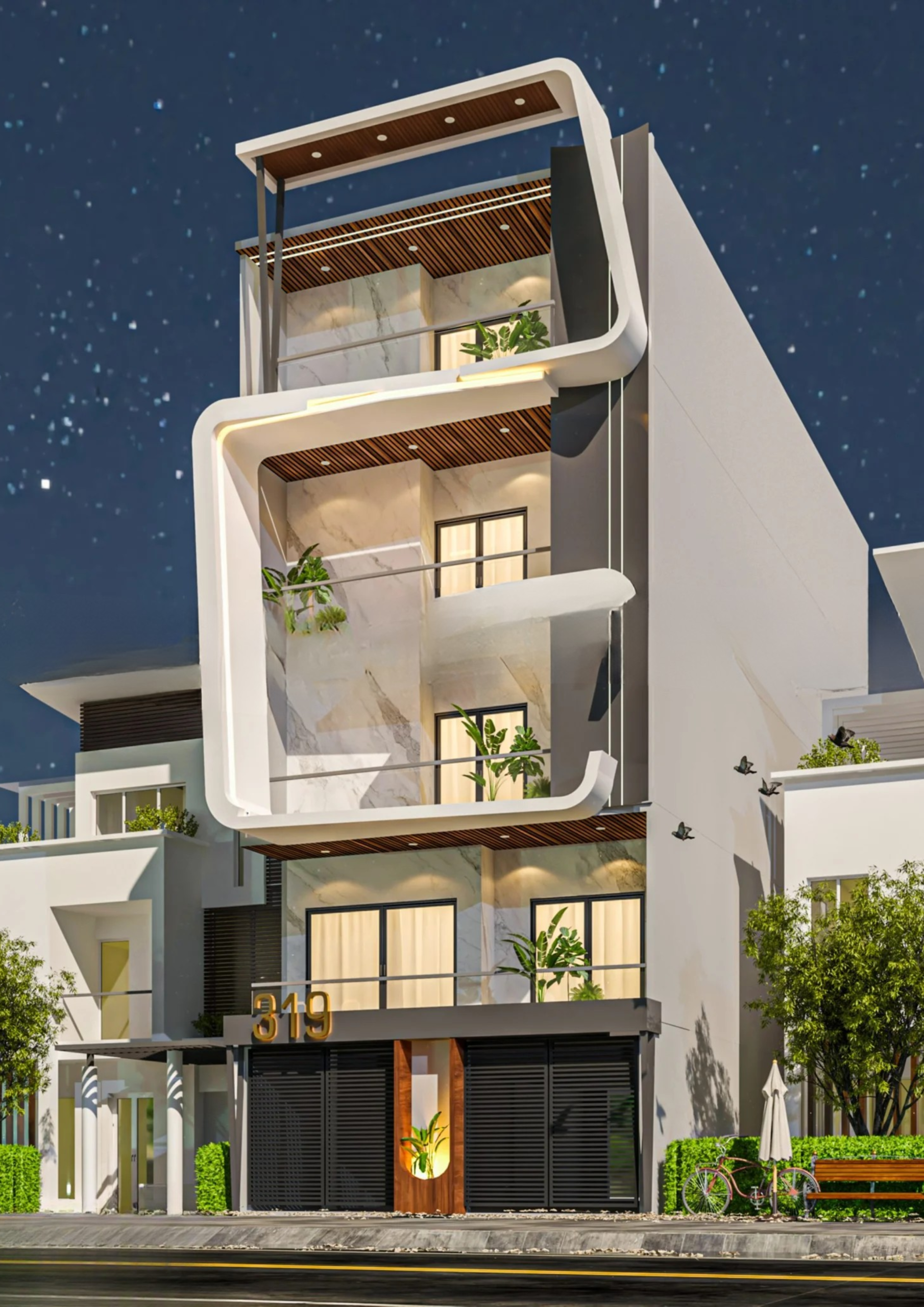
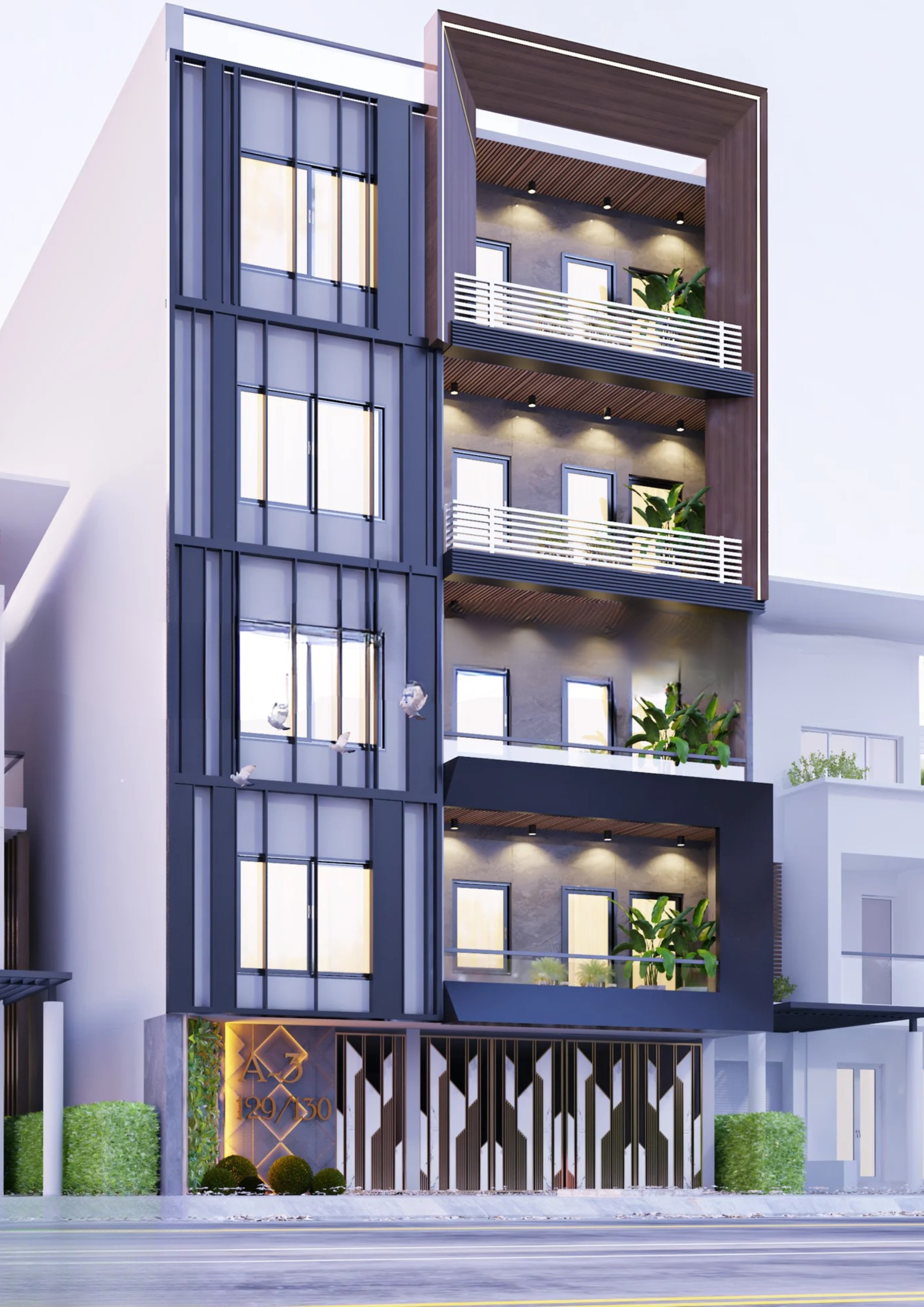
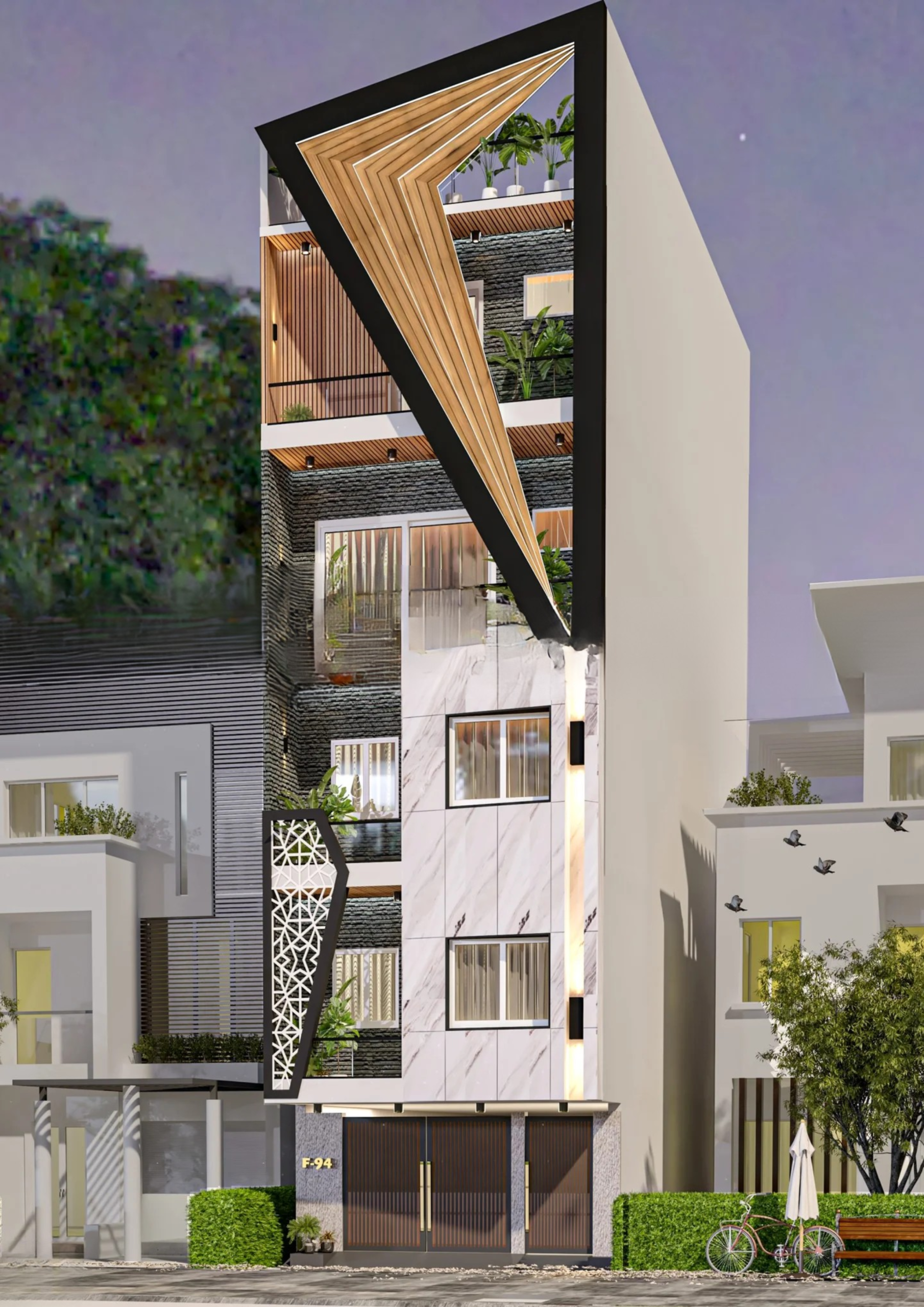
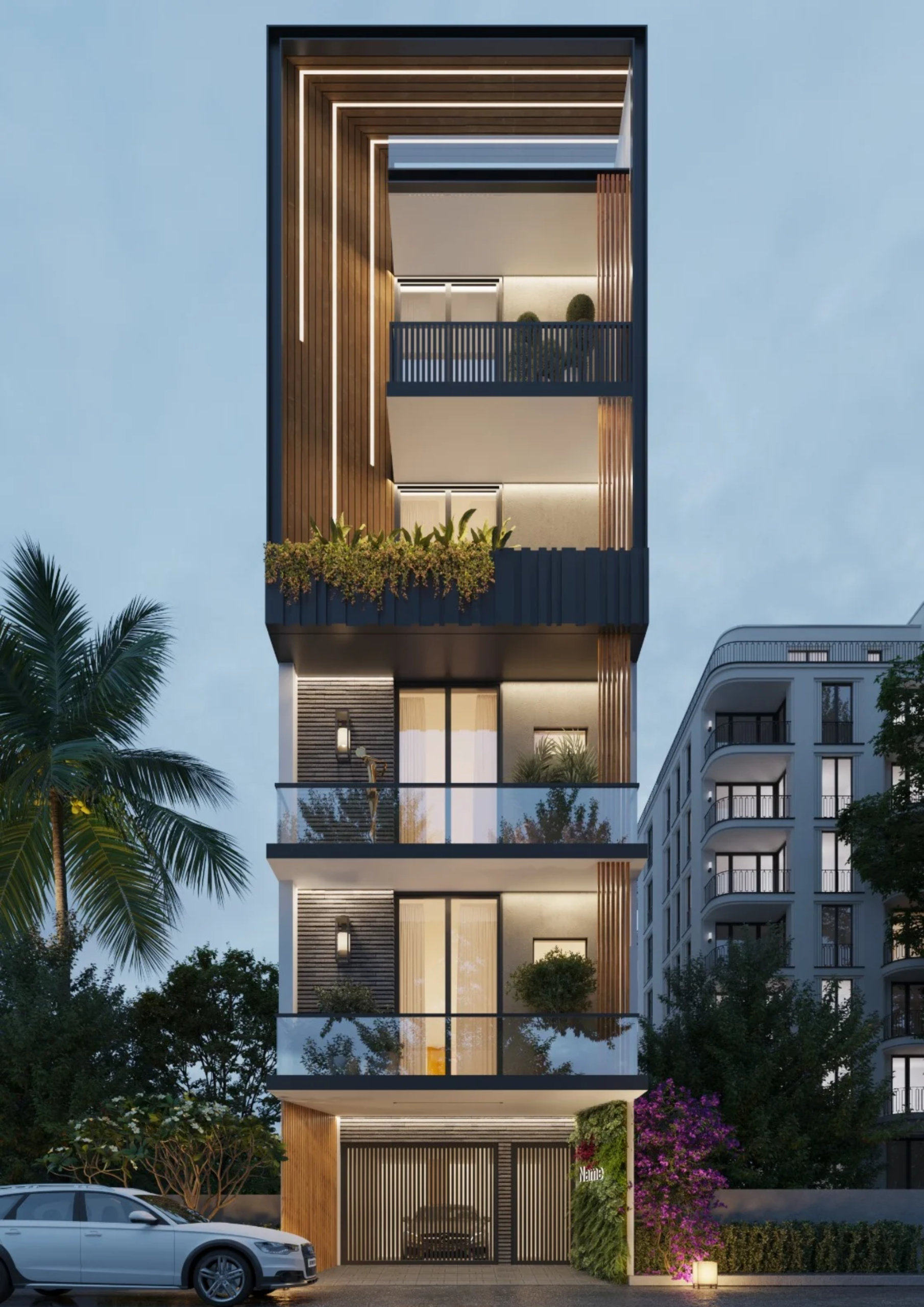
Front elevations play a vital role in the design and visualization of 3D-space interiors. They present a detailed, scaled view of a specific side of a space—typically the front—offering clear insight into the spatial layout, aesthetic detailing, and functional elements. In 3D interior design, front elevations are essential throughout the concept development, planning, and execution stages of a project.
Importance of Front Elevations
- Visual Clarity: Front elevations provide a precise visual depiction of the interior façade, allowing designers, clients, and contractors to clearly understand the overall look, proportions, and design intent from a single perspective.
- Accurate Detailing: These drawings include exact measurements, material specifications, and annotations, ensuring every component—from finishes to fixtures—is clearly defined and executed as planned.
- Effective Communication: Front elevations serve as a common reference point for all stakeholders, improving collaboration. Designers can clearly present their ideas, while clients gain the confidence to offer informed feedback and approvals.
Kitchen
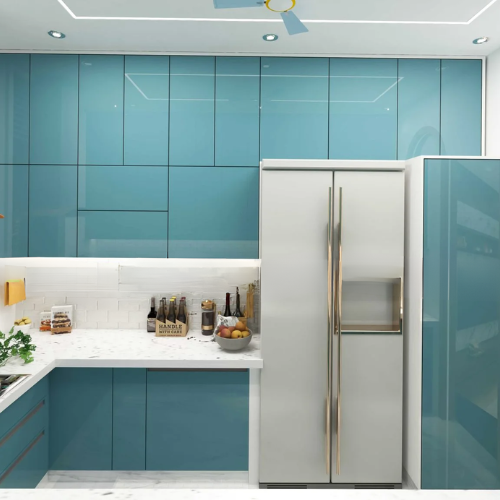
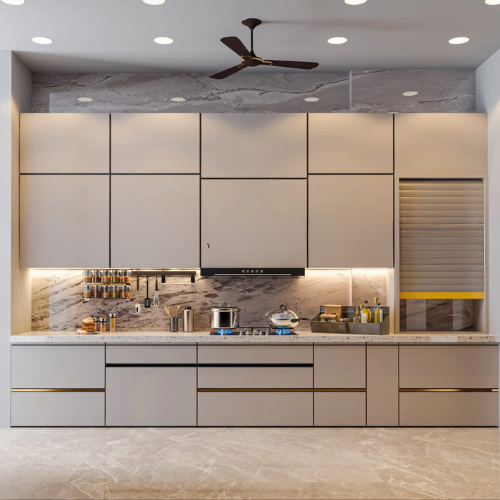
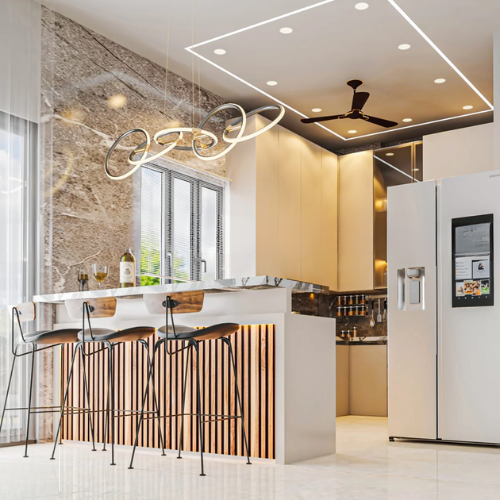
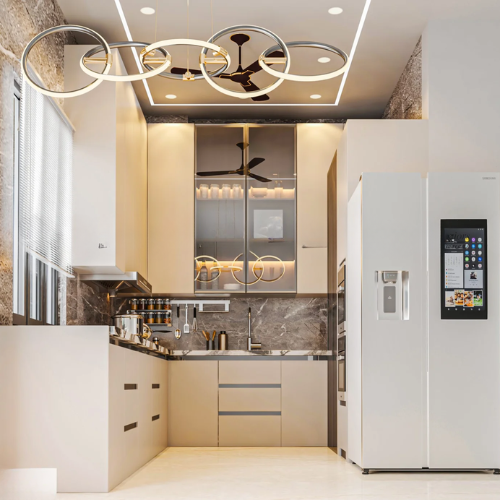
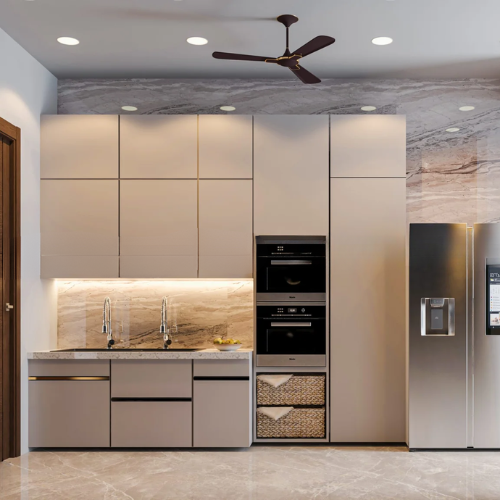
3D-Space Interiors, the kitchen is envisioned as a dynamic space where functionality blends seamlessly with visual elegance. By utilizing advanced 3D modeling and high-quality rendering technologies, we design kitchens that prioritize smart space planning, efficient appliance integration, and a cohesive aesthetic experience. Our design approach ensures the perfect balance between modern innovation and everyday comfort. This guide highlights the key principles of kitchen design within the 3D-Space framework:
- Work Triangle Principle: Strategically position the sink, stove, and refrigerator to create an efficient work triangle that reduces unnecessary movement and enhances daily workflow.
- Zoning: Define dedicated zones for cooking, food preparation, storage, and cleaning to maintain organization, improve functionality, and ensure a smooth kitchen experience.
Living Room
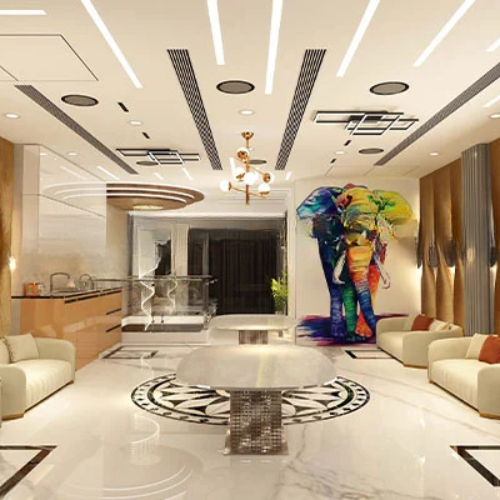
The living room is the heart of any home, serving as a versatile space for relaxation, entertainment, and social interaction. At 3D-Space Interiors, living room design is elevated using advanced 3D technology to create immersive, interactive, and visually stunning environments. Here’s how we approach a 3D-inspired living room design:
- Open-Plan Layouts: Our 3D living rooms are crafted to maximize a sense of openness. Using virtual partitions and flexible furniture arrangements, we create distinct functional zones while maintaining a seamless flow throughout the space.
- Flow and Functionality: Smooth navigation and practical functionality are key. Strategic placement of furniture and décor ensures effortless movement, accommodating multiple activities such as lounging, socializing, or entertaining guests.


Terrace
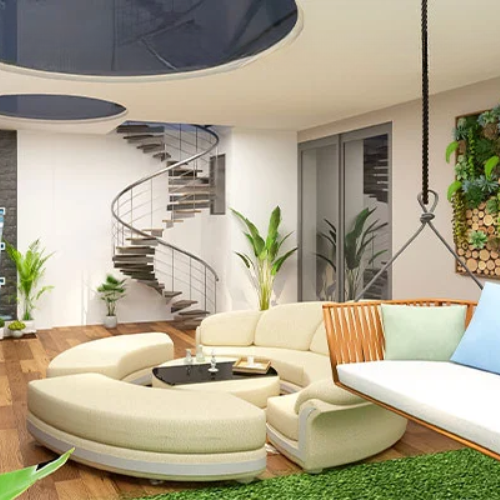
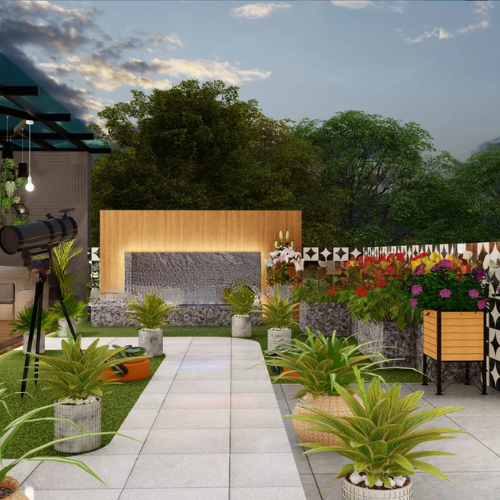
Terrace is a key feature in 3D-Space Interiors, seamlessly blending outdoor and indoor living to elevate the overall spatial experience. Acting as an extension of the interior, terraces offer versatile spaces for relaxation, entertainment, and connecting with nature.
- Seamless Integration: In 3D-Space Interiors, terraces are thoughtfully connected to indoor areas through large glass doors or sliding panels. This design creates a smooth transition between indoor and outdoor spaces, allows natural light to illuminate interiors, and provides expansive, scenic views.
- Versatile Functionality: Terraces can be customized to suit a variety of needs. They can serve as an outdoor dining area with a kitchen setup, a lounge space with cozy seating, or a lush garden filled with greenery. Flexible design ensures that the terrace adapts to different activities, moods, and occasions, making it a dynamic part of the home.


Toilets
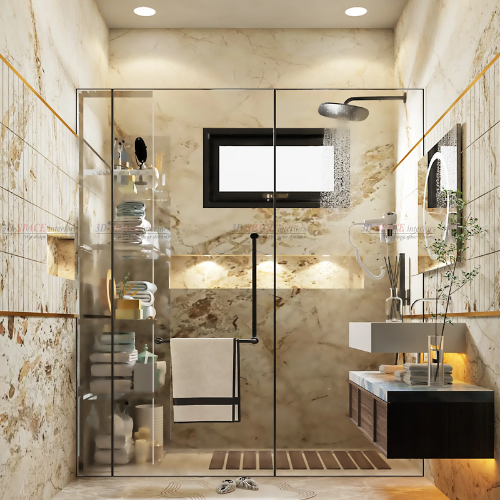
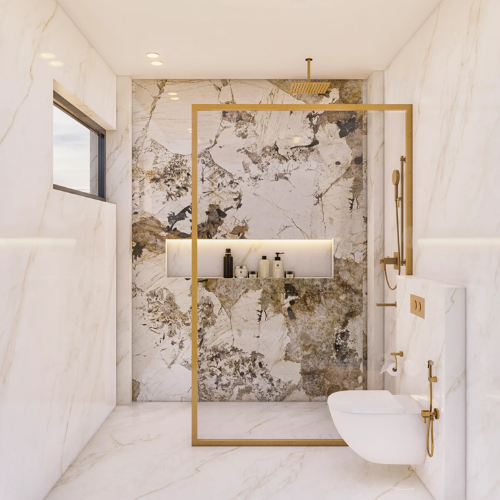
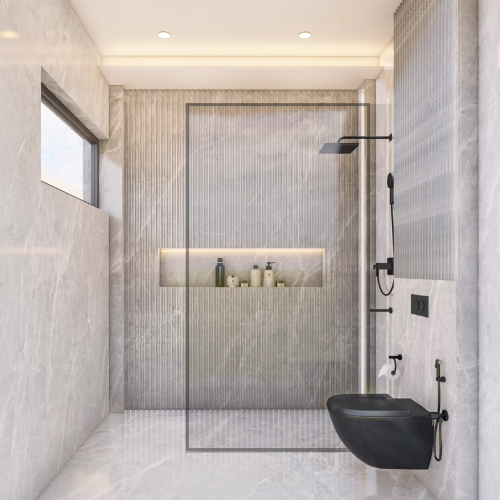
Designing toilets for 3D-space interiors, such as those in spacecraft or space stations, requires addressing challenges that are very different from Earth-based facilities. Factors like microgravity, limited space, safety, hygiene, and environmental control must be carefully considered to ensure comfort and functionality for astronauts in a closed environment.
- Microgravity Adaptation: Traditional toilets rely on gravity, but in space, toilets must use airflow systems, suction mechanisms, or vacuum technology to manage waste effectively.
- Safety and Comfort: Space toilets are designed to securely position astronauts, preventing movement during use, while providing a safe and ergonomic experience.
- Hygiene and Environmental Control: Maintaining cleanliness and preventing contamination are critical. Advanced filtration, antimicrobial surfaces, and efficient waste management systems ensure the closed environment remains sanitary.